Raw materials, production standards, and eco-certification in Europe
Detailed reference on how paper and packaging is sourced, processed, and verified against European environmental standards.

Core Topics
What this resource covers
Three main areas: where fibre comes from, how it is turned into paper and board, and what certification schemes govern end-product claims.
Raw Material Processing
Wood-fibre sourcing, mechanical and chemical pulping, recovered fibre grades under EN 643, and water management in European mills.
EU Production Standards
How Directive 94/62/EC, the BREF documents, and ISO 9706 shape production lines, emissions controls, and archive-quality specifications.
Eco-Certification
FSC, PEFC, the EU Ecolabel, and Cradle to Cradle: how each scheme differs, what chain-of-custody auditing involves, and what on-pack marks mean.
Recovered Fibre
Recycled content in European packaging
Recovered paper and board is graded according to EN 643, which lists 57 grades across five categories: ordinary, medium, high, kraft, and special grades. Containerboard and newsprint mills in Germany, Sweden, and Finland are among the highest users of post-consumer recovered fibre in Europe.
The European standard distinguishes carefully between pre-consumer trim waste and post-consumer collected material, a distinction that matters when calculating recycled content claims on packaging under existing EU regulations.

Articles
In-depth coverage

Raw Material Processing in the Paper Industry
From wood-chip yard to pulping vessel: how European mills handle virgin and recovered fibre, manage water circuits, and meet BAT emission limits.
Read article →
EU Production Standards for Paper and Packaging
Directive 94/62/EC, BREF integrated pollution prevention documents, and ISO permanence standards that define what can be placed on the European market.
Read article →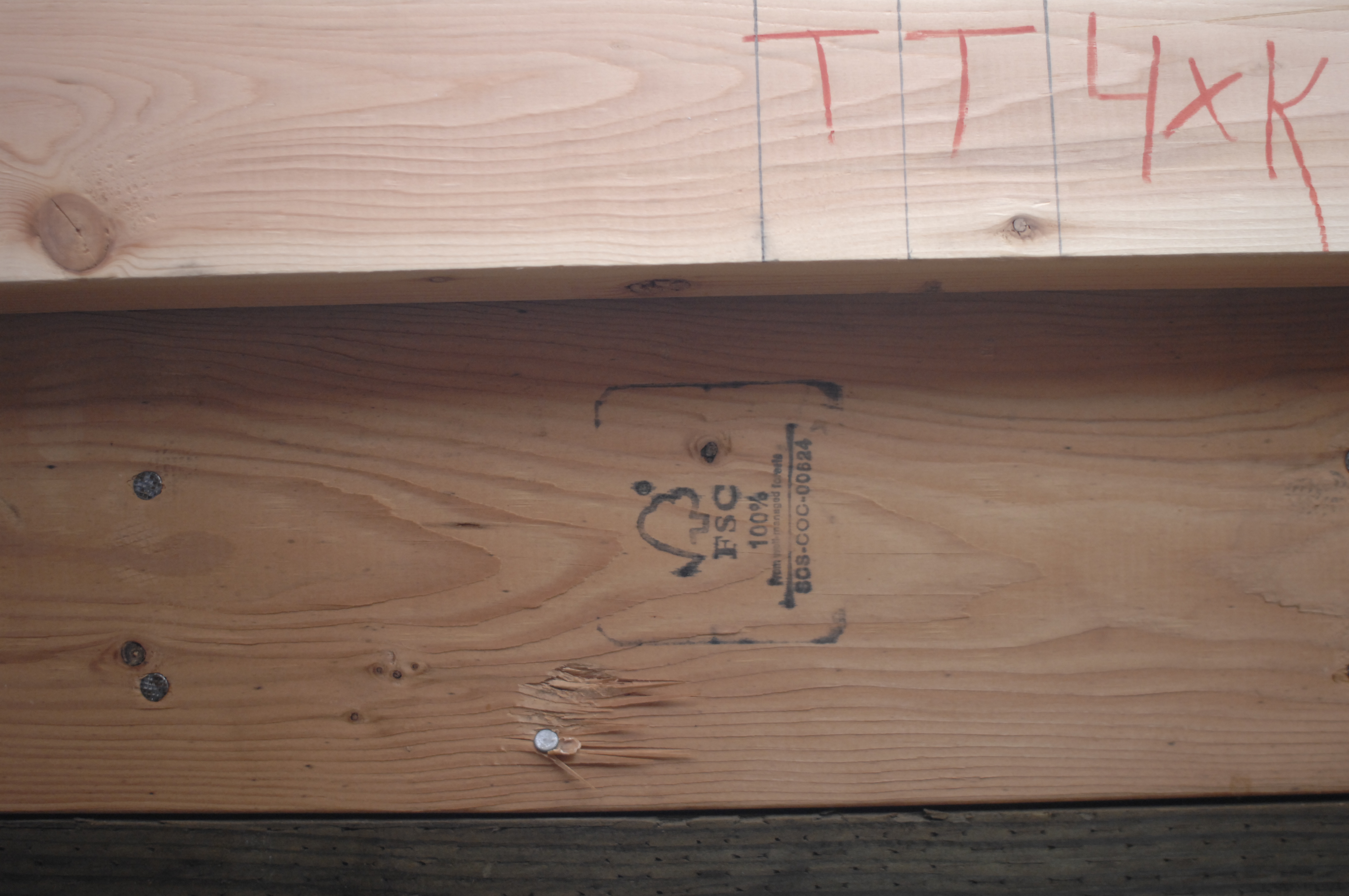
Eco-Certification in European Packaging
FSC, PEFC, EU Ecolabel, and Cradle to Cradle compared: scope, audit requirements, on-pack labelling rules, and mutual recognition between schemes.
Read article →
Packaging
Kraft and containerboard in European supply chains
Unbleached kraft paper and corrugating medium form the backbone of e-commerce and food packaging across European supply chains. Grammage, burst strength, and Cobb water-absorption values are among the properties specified by buyers and converters.
Nordic and Central European mills dominate kraft production. Many carry both FSC and PEFC chain-of-custody certificates, enabling brand owners to make on-pack sustainability claims under both schemes simultaneously.
Contact
For editorial corrections, sourcing questions, or general inquiries about the content on this site.
- editorial@thornbridgepaper.eu
- Response time
- Usually within 3 business days